

Understanding Fecal Incontinence: Cause & Pelvic Floor Physical Therapy
A recent incident during a high-intensity fitness competition brought an uncomfortable topic into public conversation: fecal incontinence. For the person experiencing it, an episode like this can feel deeply embarrassing. From a healthcare perspective, however, it is an opportunity to discuss a health concern that is often hidden because of stigma.
Fecal incontinence is not a joke, and it is not simply a matter of “not being able to hold it.” It is a real pelvic floor and bowel health issue that deserves to be heard, assessed, and treated with dignity.
What Is Fecal Incontinence?
Fecal incontinence is the involuntary loss of solid or liquid stool. A related and often under-discussed symptom is flatal incontinence, or difficulty controlling the passage of gas.
The broader term anal incontinence includes both fecal and flatal incontinence. These concerns are not limited to older adults or postpartum women. Younger adults, athletes, and people who have never given birth may experience them as well.
Fecal incontinence is not rare: a study of 14,759 U.S. adults aged 20 and older using National Health and Nutrition Examination Survey (NHANES)data found that 8.39%—approximately 1 in 12 adults—reported accidental leakage of stool or mucus at least once in the previous month.¹ Prevalence increased with age, but younger adults were not unaffected: the rate was 2.91% among adults aged 20–29 and 16.16% among those aged 70 and older.¹
Another nationally representative U.S. study reported similar prevalence in women and men—8.9% and 7.7%, respectively—showing that fecal incontinence is not exclusively a female or postpartum condition.²
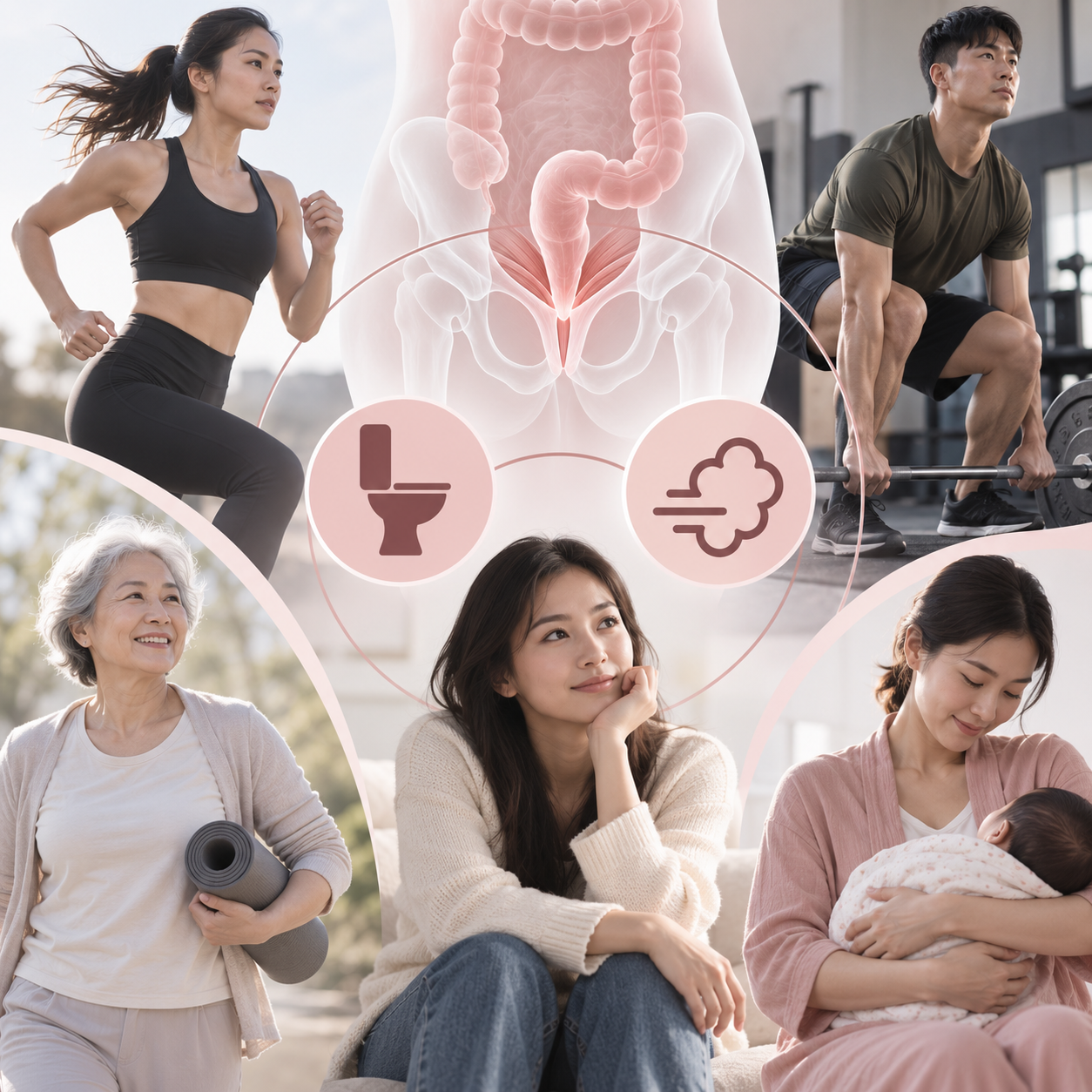
Why Can It Happen During High Intensity Exercise?
Bowel control depends on much more than one muscle. The anal sphincters, pelvic floor muscles, rectal sensation, nervous system, stool consistency, breathing, and intra-abdominal pressure management all need to work together at the right time.
Running, jumping, heavy lifting, sled work, burpees, and similar activities repeatedly expose the body to rapid changes in pressure, impact, and fatigue. Leakage may occur when the demands of competition temporarily exceed the capacity or coordination of the pelvic floor and anal sphincter system, especially when gastrointestinal symptoms, nutrition and fueling, stress, urgency, or bowel habits are also involved.
Fecal incontinence therefore does not automatically mean that someone simply has a “weak pelvic floor.” Strength, endurance, sensation, relaxation, pressure management, and movement coordination may all play a role.
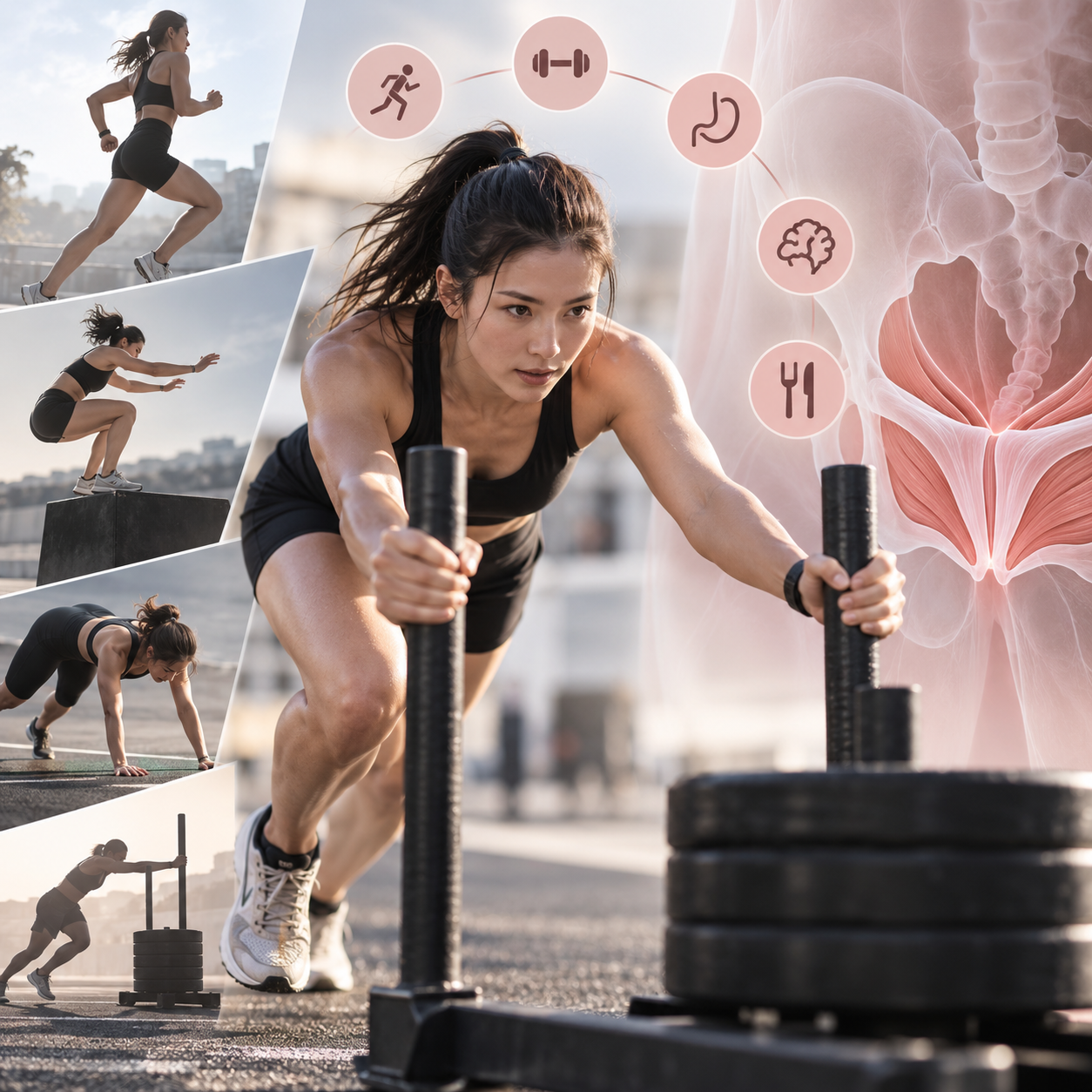
It Is Not Just an Athlete Problem
In my own clinical practice, I have worked with patients in their 20s who sought help because they occasionally struggled to control stool or gas. For someone in their twenties, this can be incredibly difficult to mention. Some wonder, “How can this be happening when I am so young?” Others live with symptoms for months or longer before feeling able to tell anyone.
Fecal incontinence can occur across different ages and stages of life. A postpartum patient may have pelvic floor or anal sphincter injury related to childbirth. A person with chronic constipation and repeated straining may gradually develop difficulty with bowel control. Diarrhea, gastrointestinal conditions, previous surgery, and neurological problems may also contribute.
Not everyone experiences obvious stool leakage. Some people first notice increasing difficulty controlling gas, stronger bowel urgency, or a need to find a toilet immediately when the urge appears. These symptoms look different, but each deserves thoughtful assessment.
Being young, physically strong, or regularly active does not make someone immune to pelvic floor or bowel-control problems. Most importantly, fecal incontinence does not mean that someone is unclean, undisciplined, or has something shameful about their body. It is first and foremost a health issue.
Will More Kegels Fix It?
Not necessarily. A healthy pelvic floor is not simply strong or constantly tight. It needs to contract when necessary, relax when appropriate, and coordinate with breathing, abdominal pressure, and whole-body movement.
Doing more Kegels without first understanding the underlying problem may miss the reason symptoms are occurring. Some patients need to improve relaxation, sensation, bowel habits, or pressure management during activity rather than only building more strength.
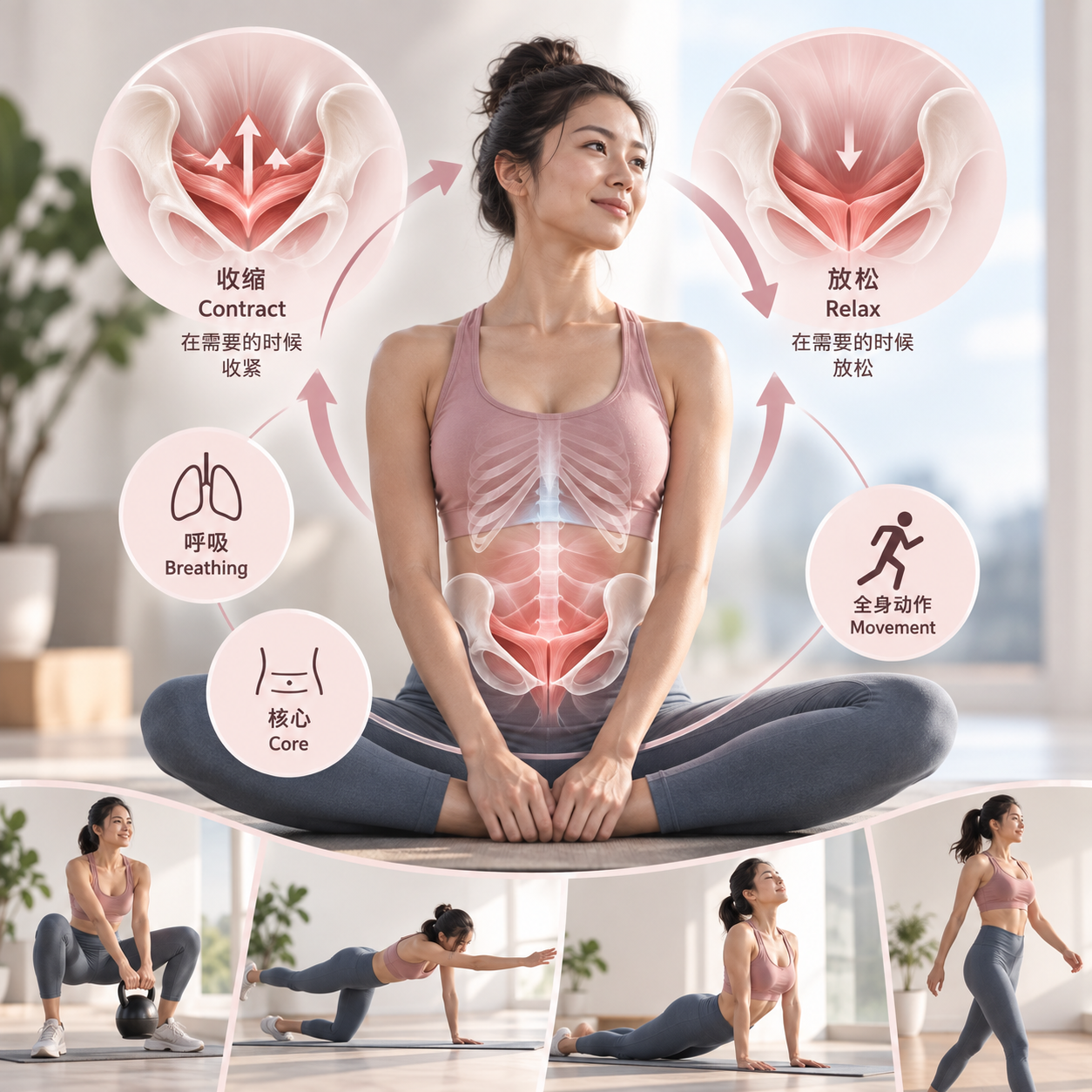
How Can Pelvic Floor Physical Therapy Help
Same as treating other body injuries, a pelvic floor physical therapist considers the person’s history, symptoms, and goals and may assess:
Pelvic floor and anal sphincter strength, endurance, relaxation, and coordination
Breathing and intra-abdominal pressure management
Bowel habits, stool consistency, and relevant gastrointestinal factors
When symptoms occur during running, jumping, lifting, or daily activities
How to progressively build capacity for the demands of life and sport
Treatment is not simply an instruction to “squeeze harder.” Depending on the findings, care may include education, manual therapy, individualized exercise, and a home program. The goal is to restore control, coordination, capacity, and confidence in everyday life and sport.
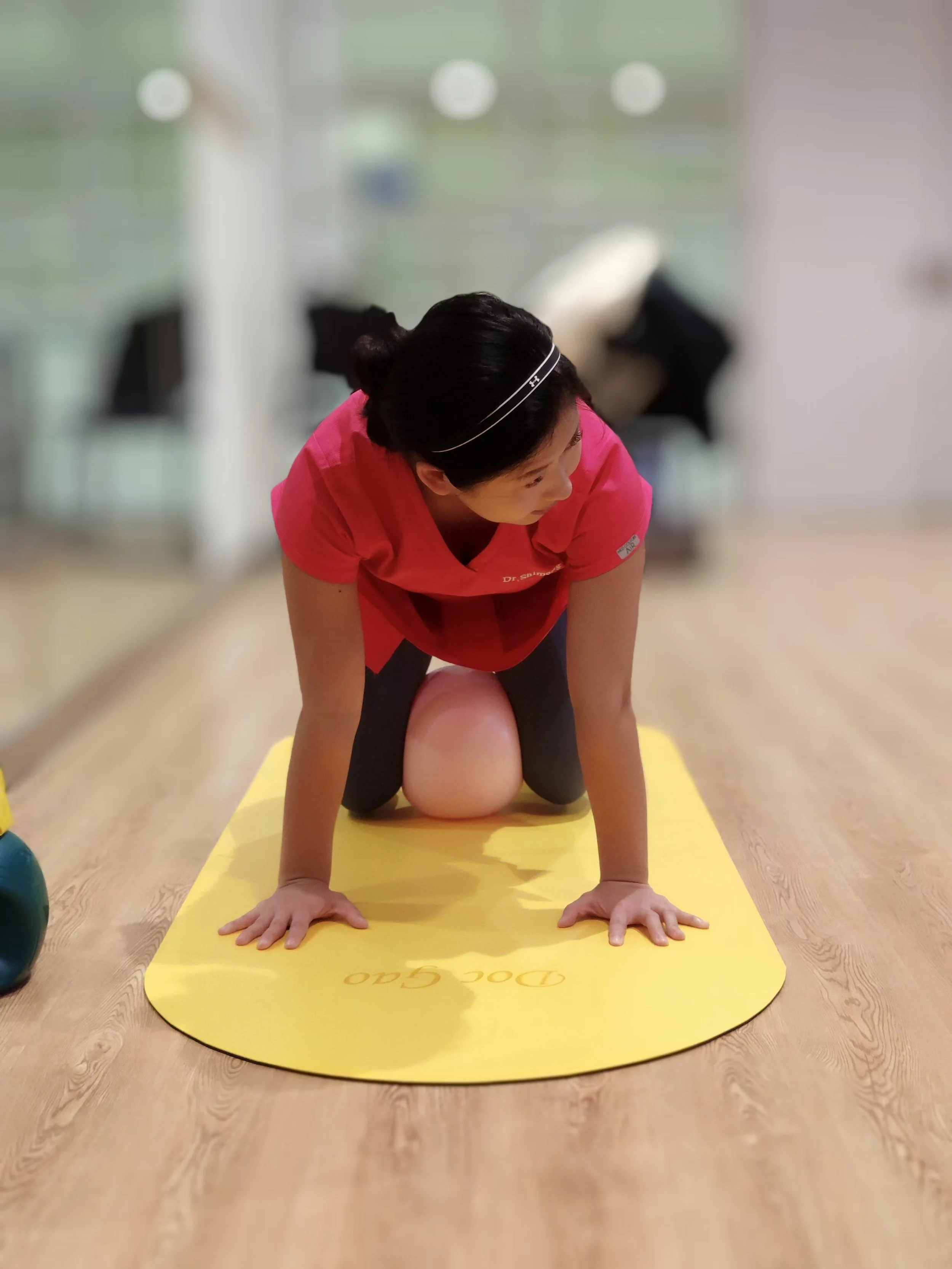
Final Thoughts
When incontinence happens during competition, it can quickly become something people watch, share, and comment on. For the person experiencing it, however, it may be a real and lasting health concern that affects confidence, social life, exercise participation, and quality of life.
If you experience stool leakage, difficulty controlling gas, or intense bowel urgency during running, lifting, jumping, high-intensity training, or everyday life, do not let embarrassment keep you from seeking help.
Pelvic floor symptoms are common, but they should not simply be normalized. A proper assessment can help identify contributing factors and support a more confident return to exercise and daily life.

参考文献 References
1.Ditah I, Devaki P, Luma HN, et al. Prevalence, trends, and risk factors for fecal incontinence in United States adults, 2005–2010. Clin Gastroenterol Hepatol. 2014;12(4):636-643.e1-2. doi:10.1016/j.cgh.2013.07.020. PubMed
2. Whitehead WE, Borrud L, Goode PS, et al. Fecal incontinence in US adults: epidemiology and risk factors. Gastroenterology. 2009;137(2):512-517.e1-2. doi:10.1053/j.gastro.2009.04.054. PubMed
免责声明:本文观点为作者个人意见,不应视作个人医疗建议。提供的信息旨在帮助读者做出自身健康的知情决策。
Disclaimer: This article reflects the author’s professional opinion and is not a substitute for personal medical advice. The information provided is intended to help readers make informed decisions about their health.