Sep 8th World PT Day: Regain Control of Your Body Through Physical Therapy
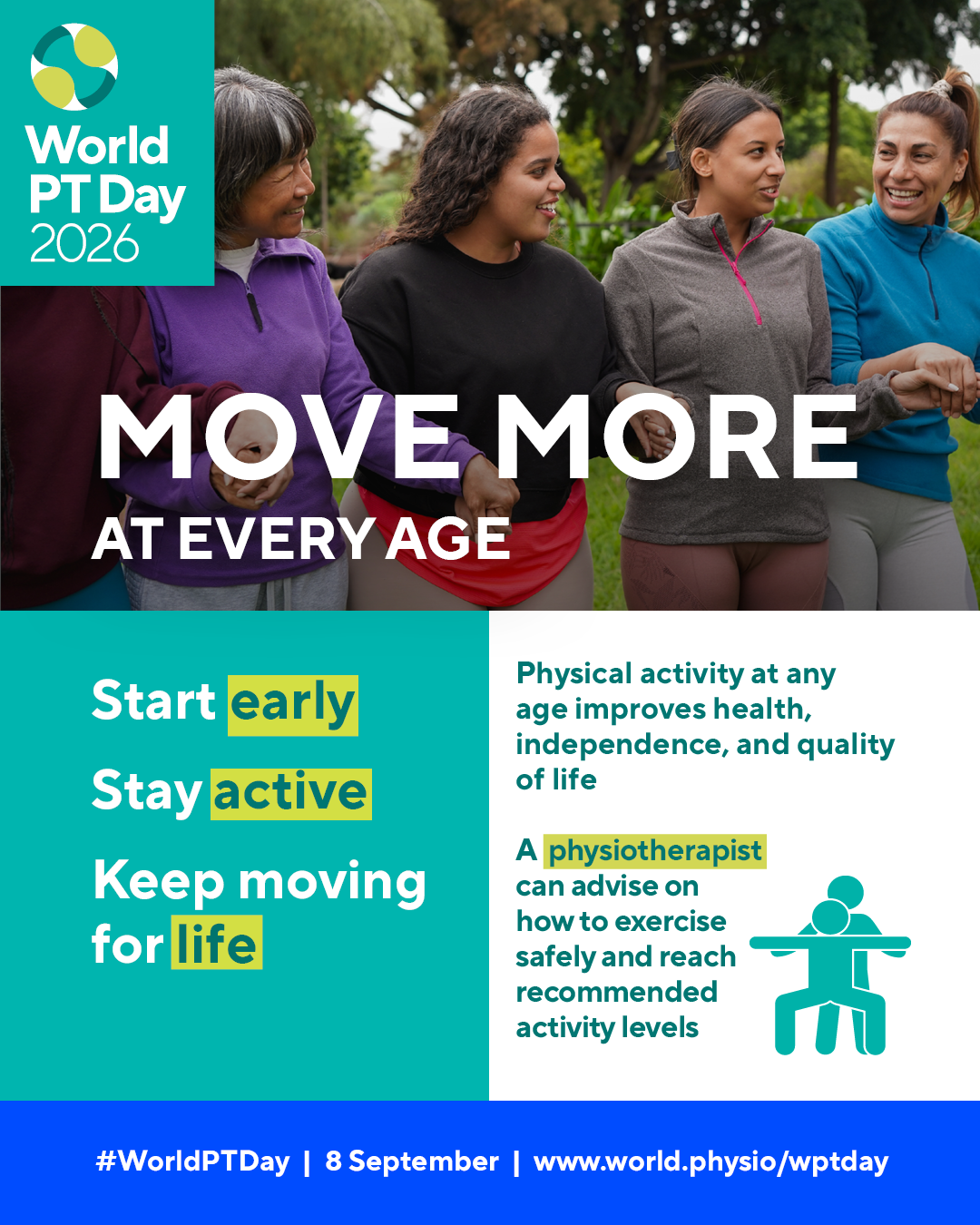
September 8th marks World Physical Therapy Day (World PT Day). Every year on this day, physical therapists around the globe take the opportunity to share a deeper look into our profession.
This year, World Physiotherapy has chosen a theme that might seem quite different from what many people typically associate with physical therapy: cardiovascular disease, stroke, and physical activity.
That is actually quite fascinating. If your impression of physical therapy is limited to "getting a massage for back pain, doing heat therapy for shoulder stiffness, getting electrical stimulation for an injury, or using machines for postpartum pelvic floor recovery," you might only be seeing a small piece of a much larger picture.
What physical therapy truly focuses on is how a person can regain their physical function and continue doing the things that bring meaning to their lives.
To us, that is where the true value of a physical therapist lies.
① Is Physical Therapy Really Just About "Treating Pain"?
Many people first seek out physical therapy because of pain—low back pain, neck and shoulder tension, knee pain, sports injuries, or postpartum discomfort. Naturally, it is easy to assume that Physical Therapy = Eliminating Pain.
From a clinical perspective, however, pain is often just the symptom we see on the surface. Why does someone experience pain? It can be related to muscle strength, joint range of motion, motor coordination, activity habits, load management, sleep, stress, prior injuries, or even a person's understanding and fear of pain itself.
Therefore, the questions a physical therapist truly needs to answer go far beyond "Where does it hurt?" Instead, we ask:
"Why is this issue happening right now?"
"How is this issue impacting your daily life?"
"How can we empower you to get back to doing what you love?"
There is a profound difference between simply addressing a localized spot of pain and treating the whole person.
② Healing Isn't Just "What the Therapist Does to You"—It's Reclaiming Your Ability to Use Your Body
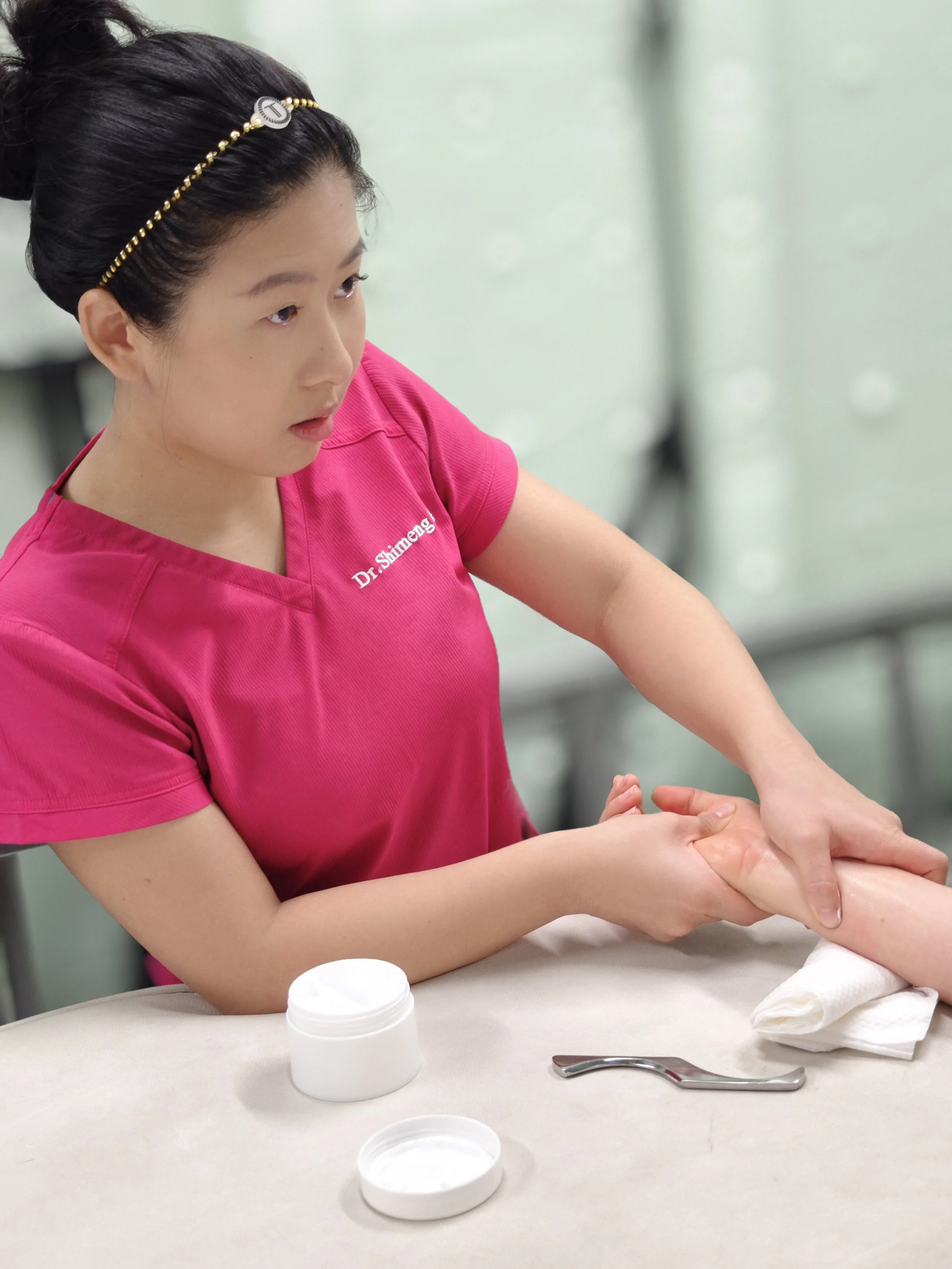
A common perception of physical therapy centers on passive treatments: massage, stretching, electrical stimulation, or hot packs. While these modalities certainly have their place when applied appropriately, the goal of physical therapy extends far beyond making a patient feel comfortable on the treatment table.
What we care about most is this: once the session ends, can you confidently use your body again? Can you lift your child? Can you walk up and down stairs effortlessly? Can you go for a run, return to the gym, travel with peace of mind, and keep doing the things that matter most to you?
Because of this, a comprehensive physical therapy journey typically encompasses: Assessment → Education → Manual Therapy & Modalities → Exercise → Functional Training → Self-Management.
While a therapist can help relieve pain, improve mobility, and address soft tissue or joint restrictions, our ultimate responsibility is to gradually hand ownership back to you.
The hour you spend in the clinic once a week isn't what truly transforms your life—it’s how you move and care for your body in all the hours in between.
③ Sometimes, "Rest and Don't Move" Isn't the Best Answer
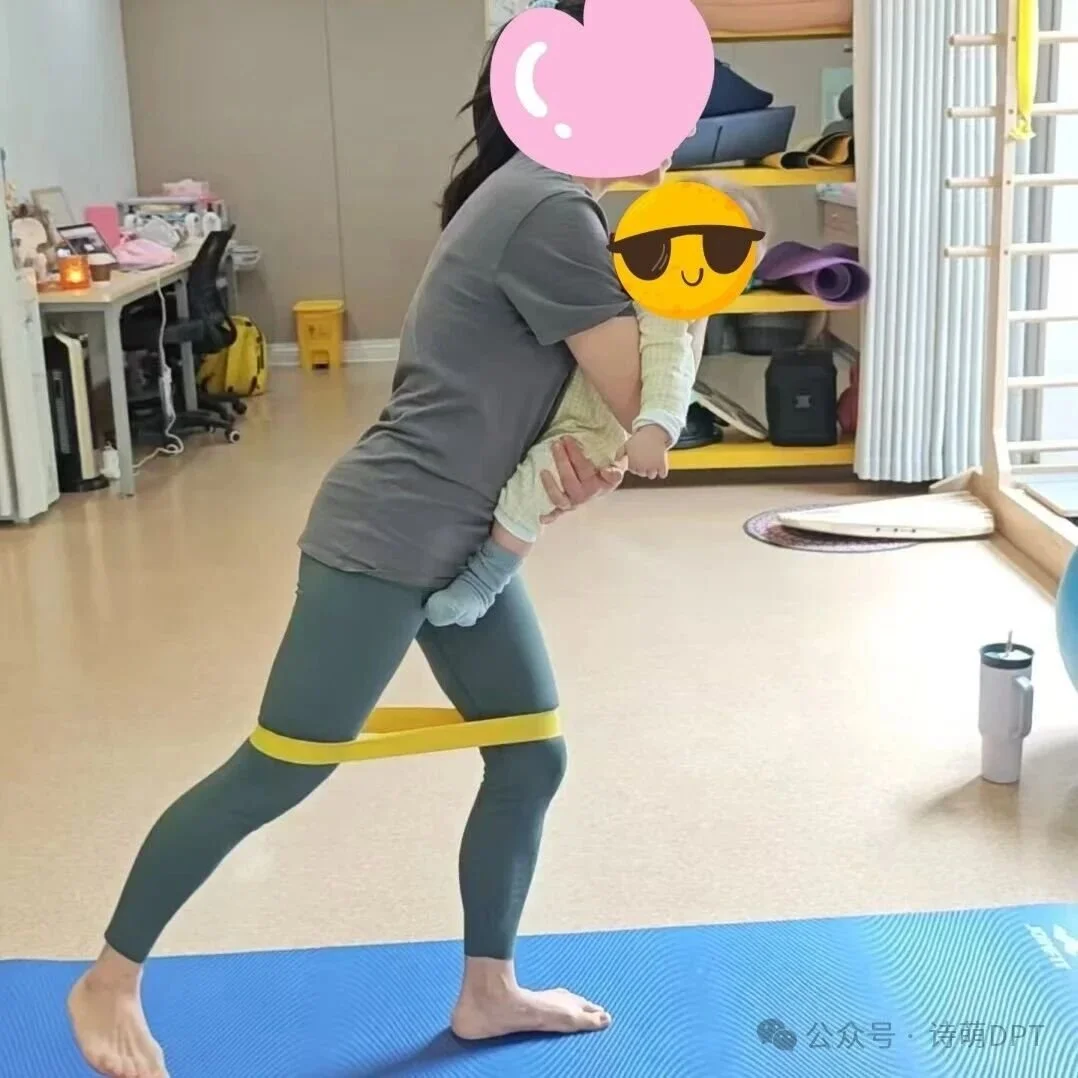
We once worked with a 73-year-old female patient who came to us due to a lumbar disc herniation. Following her orthopedic evaluation, the conservative advice she received was: "Try not to move around too much."
From a medical safety standpoint, reducing activity during acute flare-ups, specific symptomatic phases, or when neurological risks are present can certainly be necessary. However, this patient had a vital characteristic: she loved staying active.
She enjoyed brisk walking, taking her grandson to the park, and doing strength training at the gym. When she walked into our clinic, our core mission wasn't to figure out "how to make her lumbar disc look brand new again on an MRI," nor was it to simply tell her "you shouldn't exercise anymore."
What we truly needed to explore was: How can we help her safely continue the lifestyle she loves while fully understanding her body's current state?
Our plan focused on several key areas:
Pain Management: Reducing the impact of pain on her daily routines.
Range of Motion: Restoring and expanding her safe zones of movement.
Core & Trunk Strength: Building foundational strength and neuromuscular control.
Movement & Load Management: Helping her understand which movements and intensities suited her best.
Progressive Return to Exercise: Gradually tailoring her brisk walking and strength routines to her capacity.
Safety Awareness: Teaching her which signs indicate it’s time to pause or seek medical guidance.
There is a crucial distinction here: we were not attempting to "cure" her disc herniation. Structural changes seen on imaging do not always need to be—nor can they always be—"fixed" through physical therapy. What we treat is the person's pain, function, and physical capacity.
Our goal was to enable her to walk, exercise, play with her grandson, go to the gym, and live her life to the fullest—safely and confidently. That is the core value of physical therapy.
④ From Pelvic Health to Full-Body Wellness: What Does Good Physical Therapy Really Treat?
When physical therapists conduct an evaluation, we rarely stop at
"Where does it hurt?"
We want to understand: "How is this affecting your life?" and "If this improves, what is the first thing you want to get back to doing?"
When evaluating three different individuals with low back pain, their goals might be completely different: one person simply wants to sit comfortably at work; another wants to start running again; and another just wants to hold their child without hesitation. Much like our 73-year-old patient, her wish was clear: she didn't want an imaging diagnosis to strip away the lifestyle she cherished.
A Case in Pelvic Floor Rehabilitation
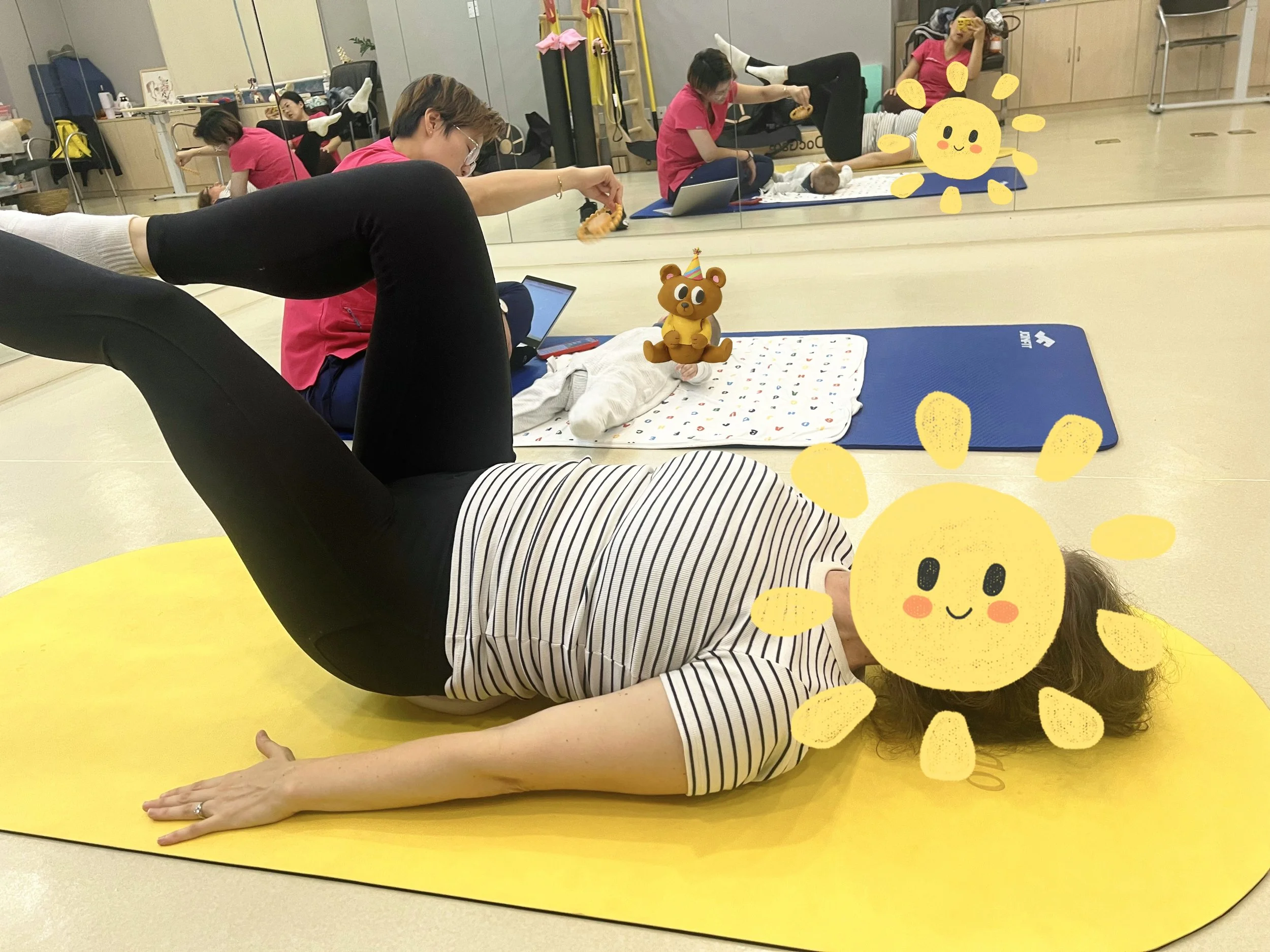
We also worked with a mother of two, seven years postpartum. When she first came to our clinic, her most frustrating issue was stress urinary incontinence while running. She had already tried numerous pelvic floor stimulation sessions at other facilities, but with limited success.
If we viewed the problem simply as "weak pelvic floor muscles," the solution would seem straightforward: just do more pelvic squeezes. However, a comprehensive evaluation revealed that strength wasn't her only hurdle. She had significant room for improvement in breathing mechanics, intra-abdominal pressure management, pelvic-core coordination, and movement load control.
Instead of prescribing endless pelvic floor contractions, our plan targeted breathwork, core-pelvic synergy, and pressure dynamics, progressively rebuilding her dynamic control during exercise. What she truly wanted wasn't just a "stronger pelvic muscle"—it was the freedom to run without discomfort and without the fear of leakage holding her back from the activities she loved.
This is our vision of rehabilitation: not treating the body as a collection of isolated parts needing repair, but helping a person restore the seamless connection between their body and their life.
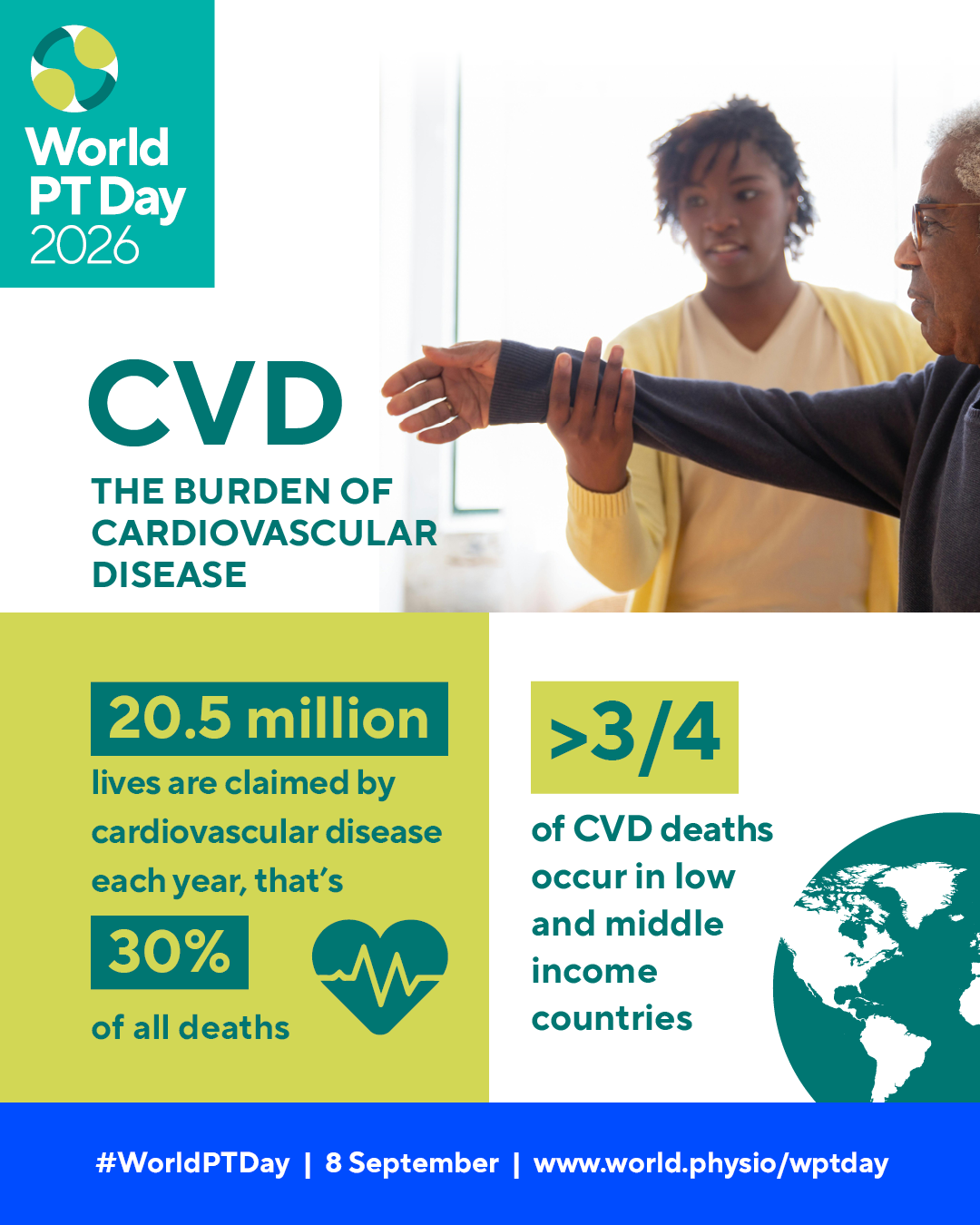
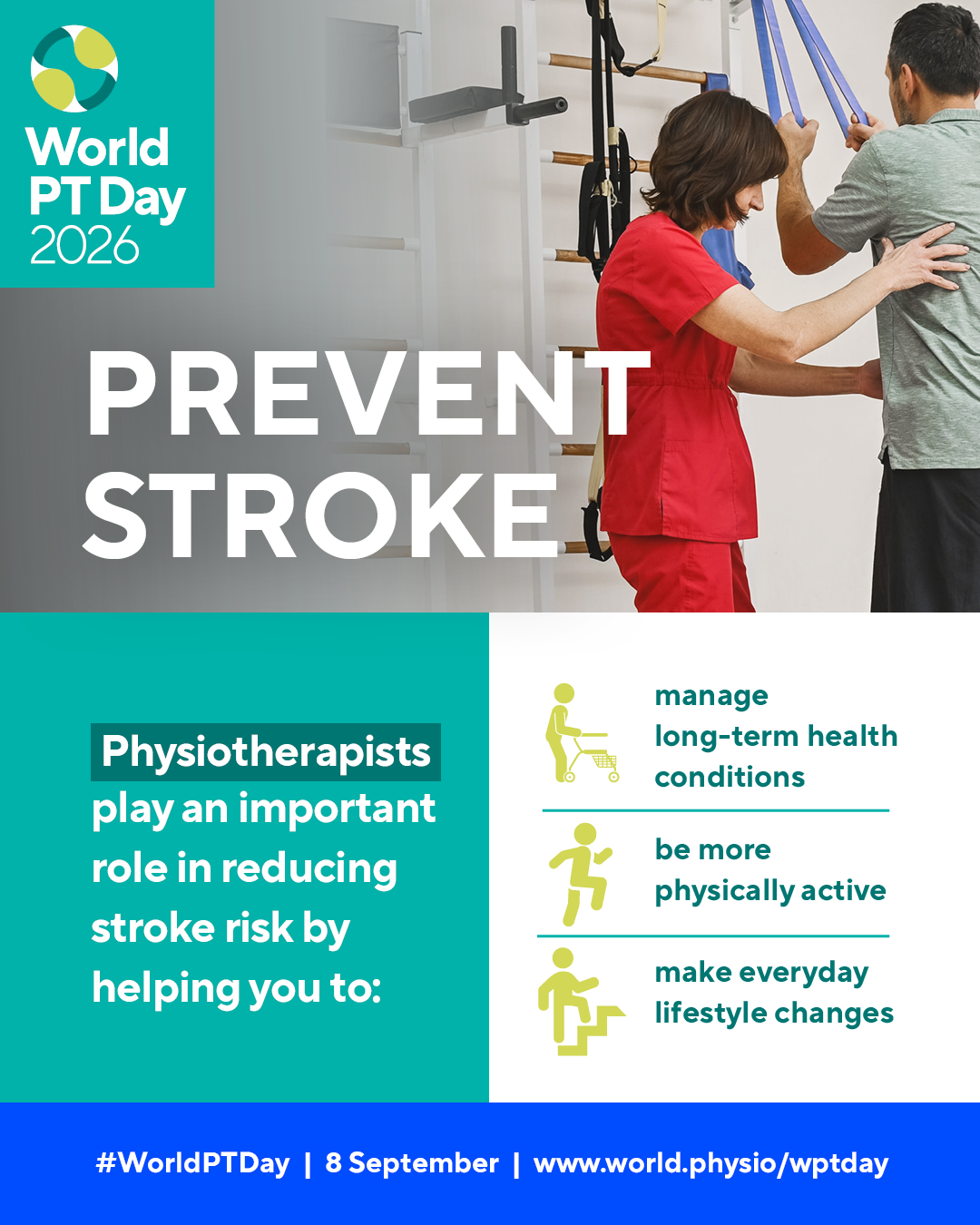
⑤ Why Does World PT Day 2026 Focus on Cardiovascular Disease and Stroke?
You might wonder: "What do heart disease and stroke have to do with physical therapy?"
As it turns out, the connection is profound.
World PT Day 2026 highlights the vital role of physical activity in the prevention, management, and rehabilitation of cardiovascular diseases and stroke. For individuals recovering from a stroke, physical therapy goes far beyond "learning to walk again." It encompasses muscle strength, balance, coordination, mobility, functional independence, long-term physical activity, and overall quality of life.
This underscores a key truth: the boundaries of physical therapy extend way beyond pain management. Its greatest value lies in helping people move better, live longer, stay independent, and stay fully engaged in the life they love!
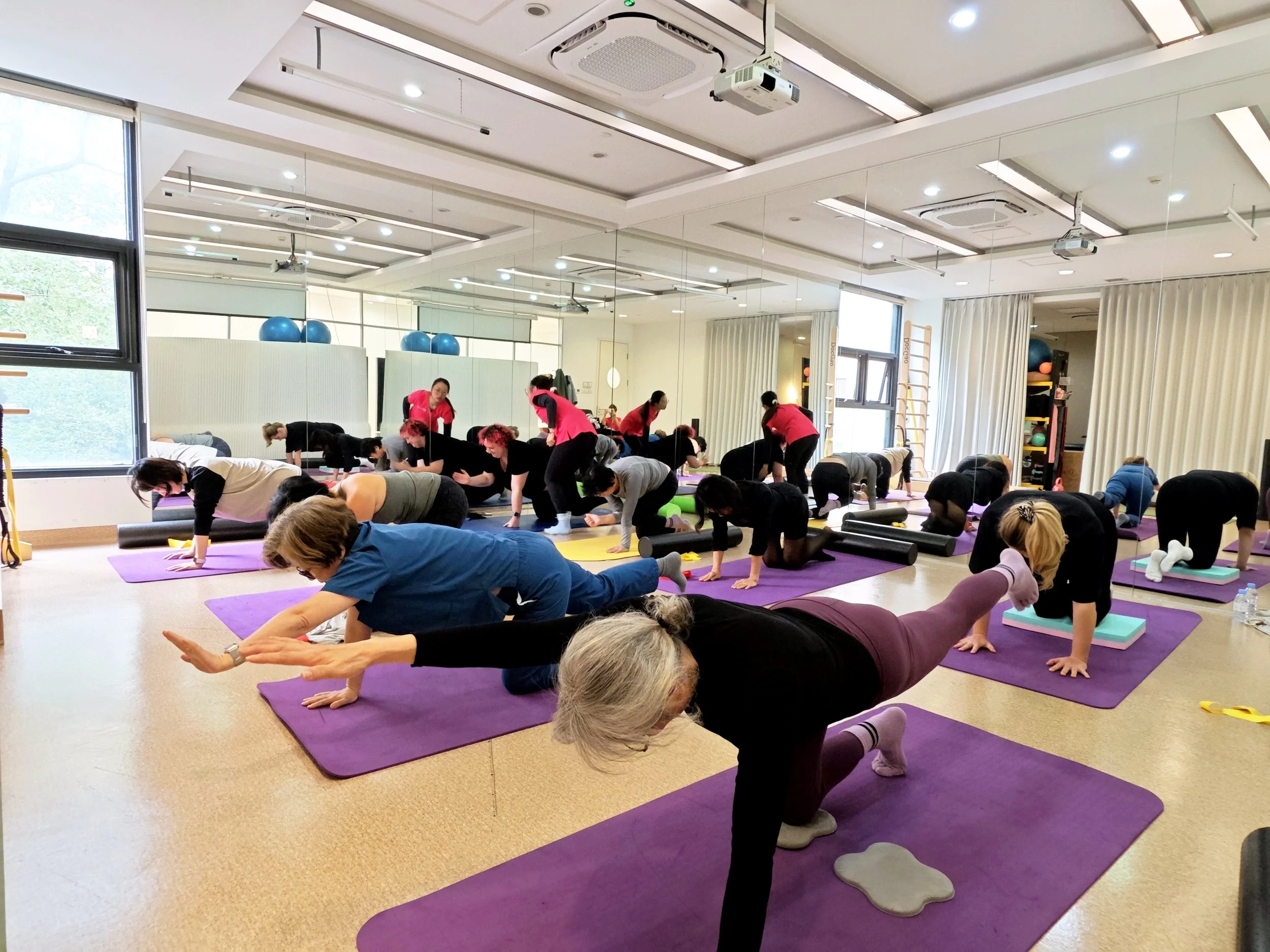
⑥ From Pelvic Health to Cardiovascular Care: Answering the Same Core Question
On the surface, low back pain, postpartum recovery, pelvic floor dysfunction, sports injuries, stroke, and cardiovascular health might seem like entirely unrelated challenges. Yet, step back, and you will see a common thread: we all want a body that functions well and supports a vibrant, high-quality life.
Physical therapy isn't about "fixing a broken body." It’s about understanding what your body is experiencing right now, identifying the key factors influencing your movement, and empowering your body through individualized therapy, education, and movement.
A skilled physical therapist helps you:
Understand your body and the unique challenges you are facing.
Discover why your body is responding the way it is.
Clarify what you hope to achieve and return to.
Create a thoughtful, step-by-step path back to living life on your terms.
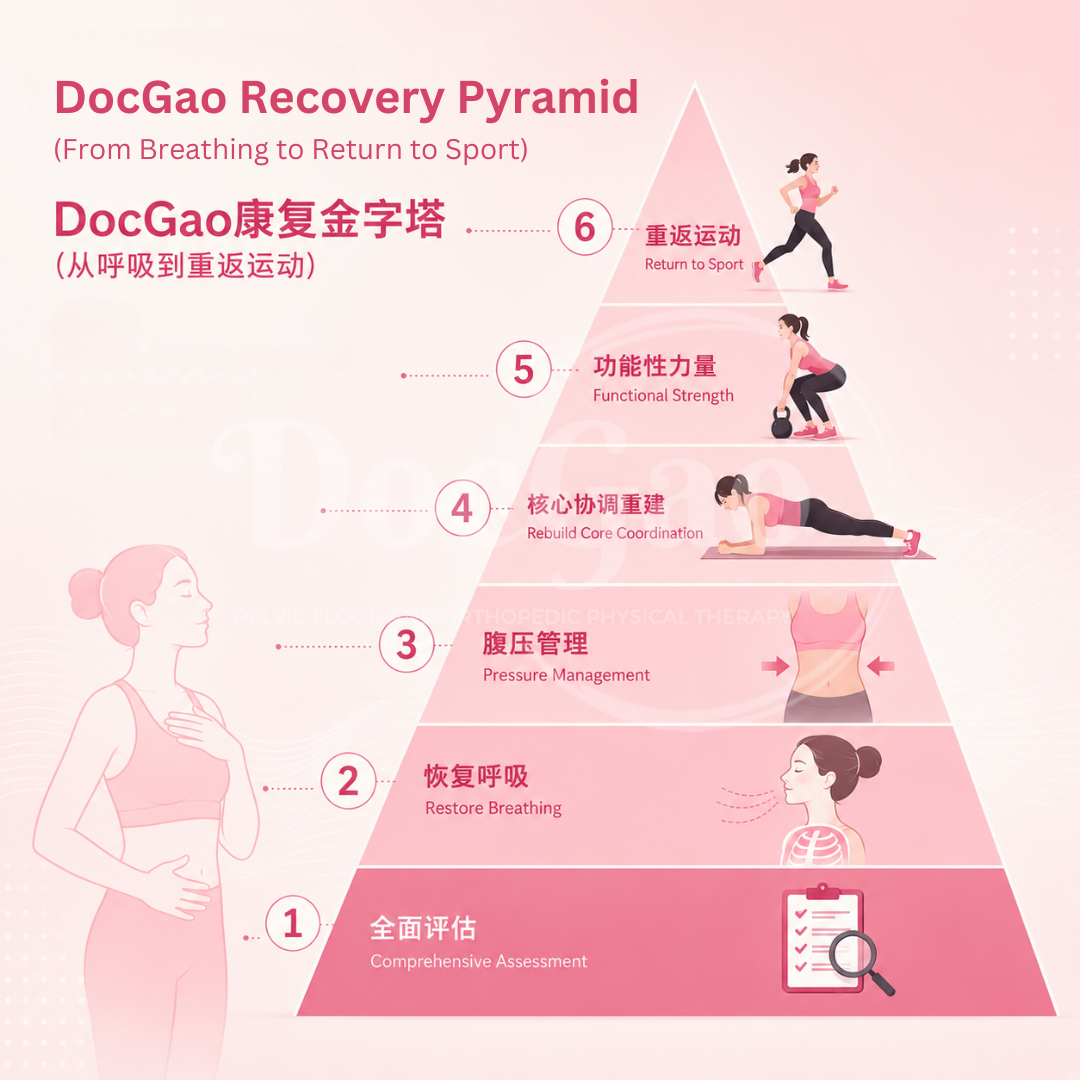
Honoring World Physical Therapy Day
We want to wish a very Happy World PT Day to all physical therapists dedicated to this meaningful work.
And to anyone who has ever walked into a therapy clinic feeling weighed down by pain, injury, postpartum changes, athletic setbacks, or a decline in physical function: You are here for so much more than bringing a number back to baseline or making a specific spot stop hurting.
You deserve to feel confident in your body once again—to walk, run, exercise, work, hold your children, travel, share intimacy, and embrace the moments that matter most. Because the destination of rehabilitation was never just "treatment complete."
The true finish line is:
"I can live my life fully again."
And that is what Physical Therapy is all about.
免责声明:本文观点为作者个人意见,不应视作个人医疗建议。提供的信息旨在帮助读者做出自身健康的知情决策。
Disclaimer: This article reflects the author’s professional opinion and is not a substitute for personal medical advice. The information provided is intended to help readers make informed decisions about their health.