

Are Your Toilet Habits Secretly Training Your Bladder the Wrong Way?
Most people rarely think about how they use the toilet.
We assume urination is an automatic bodily function that simply happens when the bladder is full. However, emerging research suggests that the way we respond to bladder sensations every day may have a significant impact on long-term bladder health.
As a pelvic floor physical therapist, I frequently meet patients who struggle with:
Urinary urgency
Frequent urination
Leakage on the way to the toilet
Difficulty emptying the bladder
A constant feeling of needing to "go"
Many are surprised when I explain that their symptoms may be influenced not only by the bladder itself, but also by years of learned toileting habits.
A recent study involving more than 2,300 women in the United States provides compelling evidence supporting what pelvic floor clinicians have observed for years: our daily toileting behaviours matter.
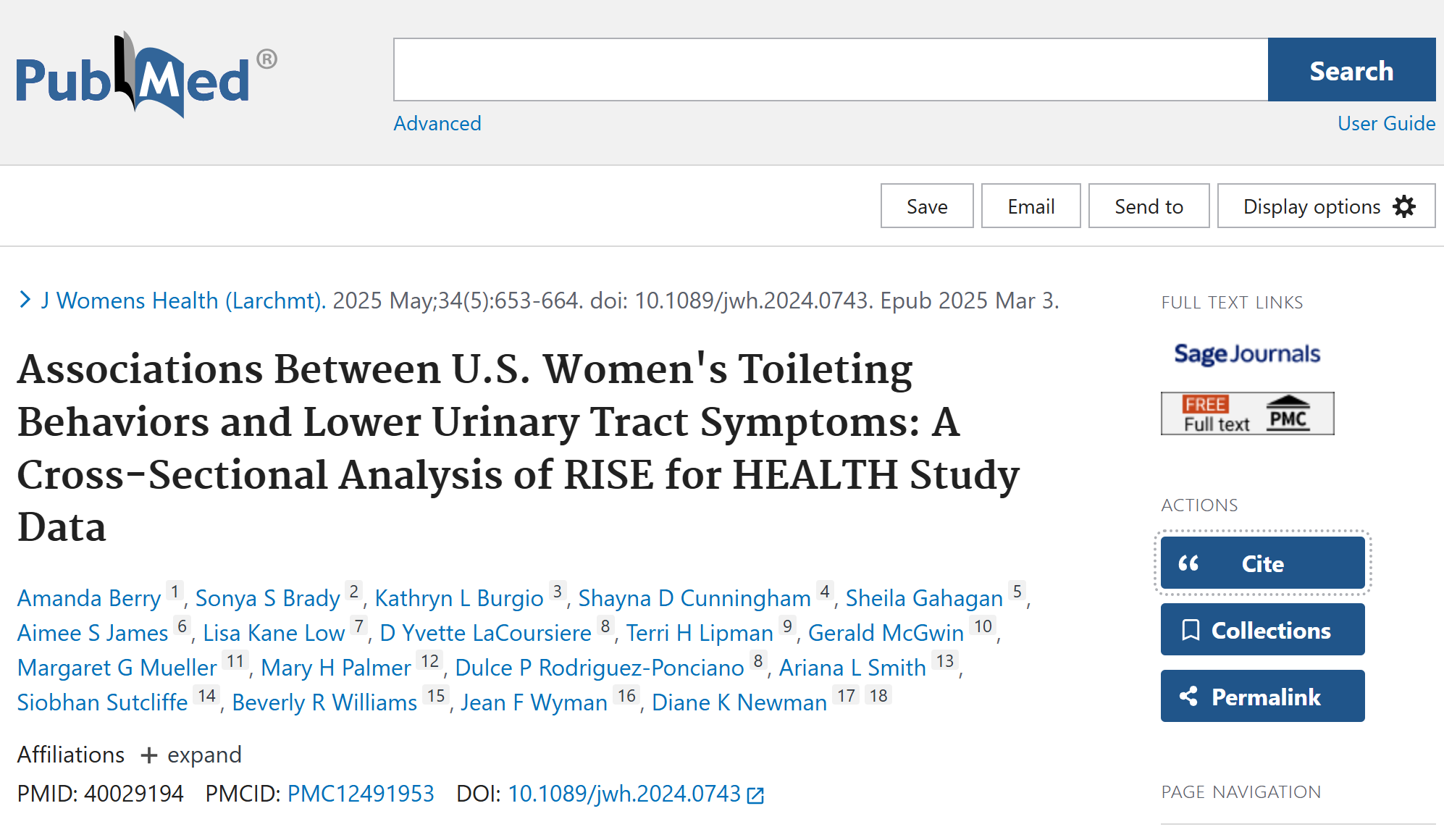
What Are Toileting Behaviours?
Toileting behaviours refer to the habits and decisions we make surrounding urination.
Examples include:
Going to the toilet "just in case"
Delaying urination despite feeling the urge
Hovering over public toilet seats
Straining or pushing urine out
Avoiding unfamiliar toilets
Many of these behaviours develop gradually and become automatic.
Unfortunately, some may unintentionally train the bladder and pelvic floor to function less efficiently.
What Did The Research Find?
Researchers analysed data from 2,327 women participating in the RISE FOR HEALTH study.
The findings were striking.
Women who reported unhealthy toileting behaviours were significantly more likely to experience lower urinary tract symptoms, including:
Urinary urgency
Increased daytime frequency
Urinary incontinence
Difficulty emptying the bladder
Among all behaviours studied, three stood out.
1. ”Just-in-case“ Peeing!
This is perhaps the most common habit I encounter in clinic.
Many women urinate before leaving the house, starting a meeting, going shopping, taking a short journey......even when they do not genuinely need to go.
It feels sensible.
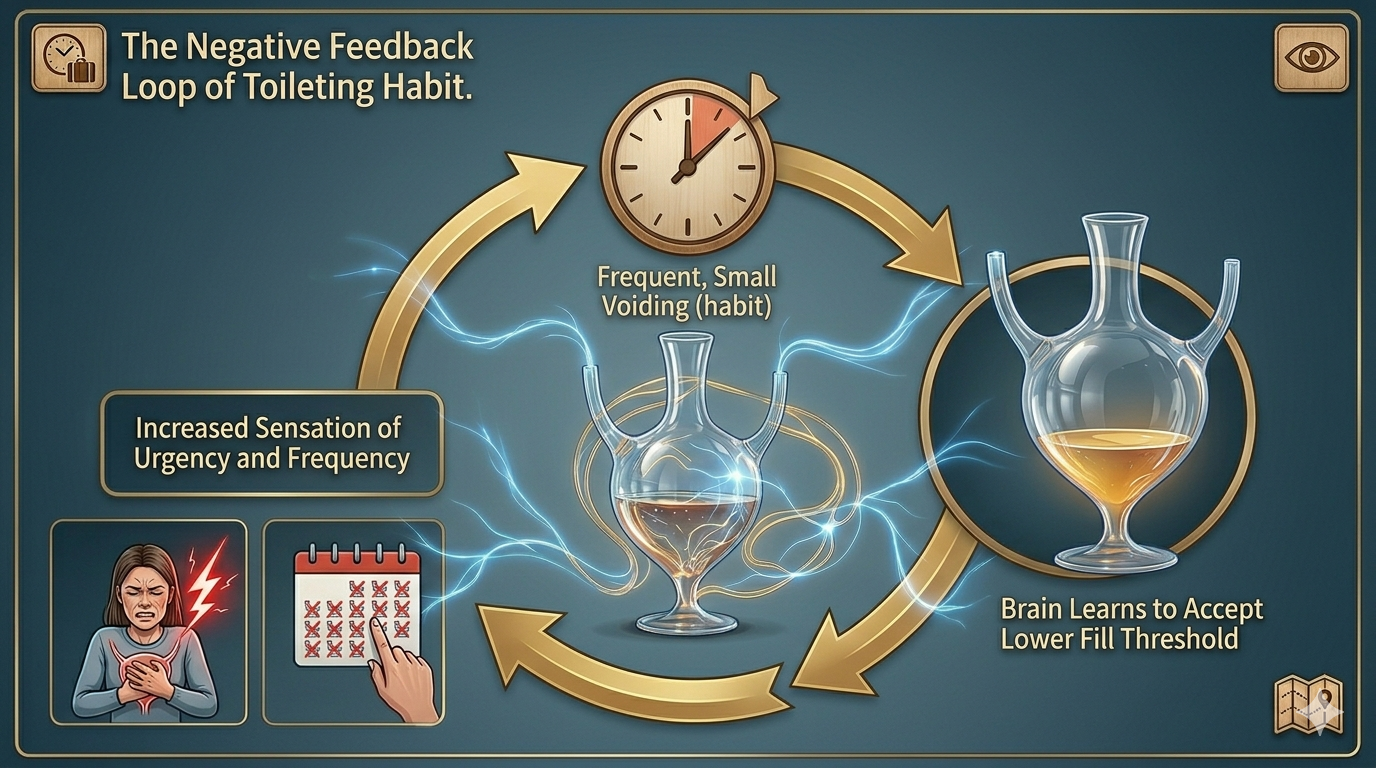
However, the bladder learns through repetition.
If you consistently empty your bladder at low volumes, your nervous system may begin signalling urgency earlier and earlier.
Over time, the bladder becomes less tolerant of normal filling.
The result?
You may start feeling desperate to urinate when your bladder is only partially full.
The Brain-Bladder Connection
The bladder is not simply a storage bag. It constantly communicates with the brain.
As the bladder fills, sensory signals travel to the brain, where they are interpreted and prioritised. When we repeatedly respond to very small bladder sensations by rushing to the toilet, we may inadvertently reinforce those signals.
In other words:
the brain becomes better at detecting urgency.
This is one reason bladder retraining programmes are often highly effective.
2. Holding Urine For Too Long
At the opposite end of the spectrum is delayed voiding.
Teachers, healthcare workers, office workers and busy mothers often tell me:
"I know I need to go, but I'm too busy."
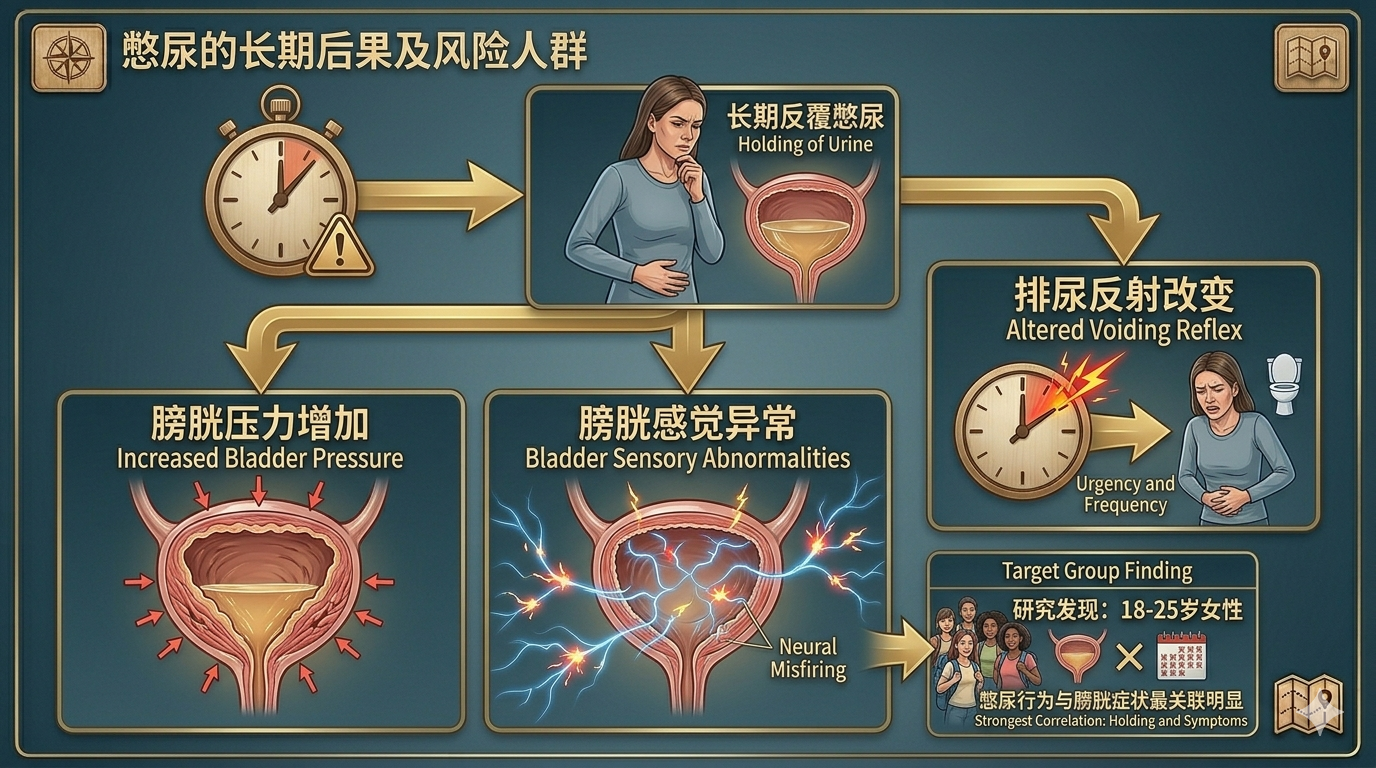
Occasional postponement is unlikely to cause harm. However, repeatedly ignoring bladder signals may alter normal bladder sensation and increase bladder stress.
Interestingly, the study found the strongest association between delayed voiding and urinary symptoms in women aged 18–25 years.
This suggests that bladder habits developed during adolescence and early adulthood may have long-term consequences.
3. Straining To Urinate
Urination should generally be a process of relaxation. The pelvic floor muscles lengthen, the bladder muscle contracts, and urine flows.
Yet many women unknowingly push or bear down to empty faster. This behaviour was strongly associated with:
Slow urinary stream
Difficulty initiating urination
Incomplete emptying sensations
From a pelvic floor perspective, straining can also increase downward pressure through the abdomen and pelvic floor. Repeated over many years, this may contribute to dysfunction rather than improve emptying.
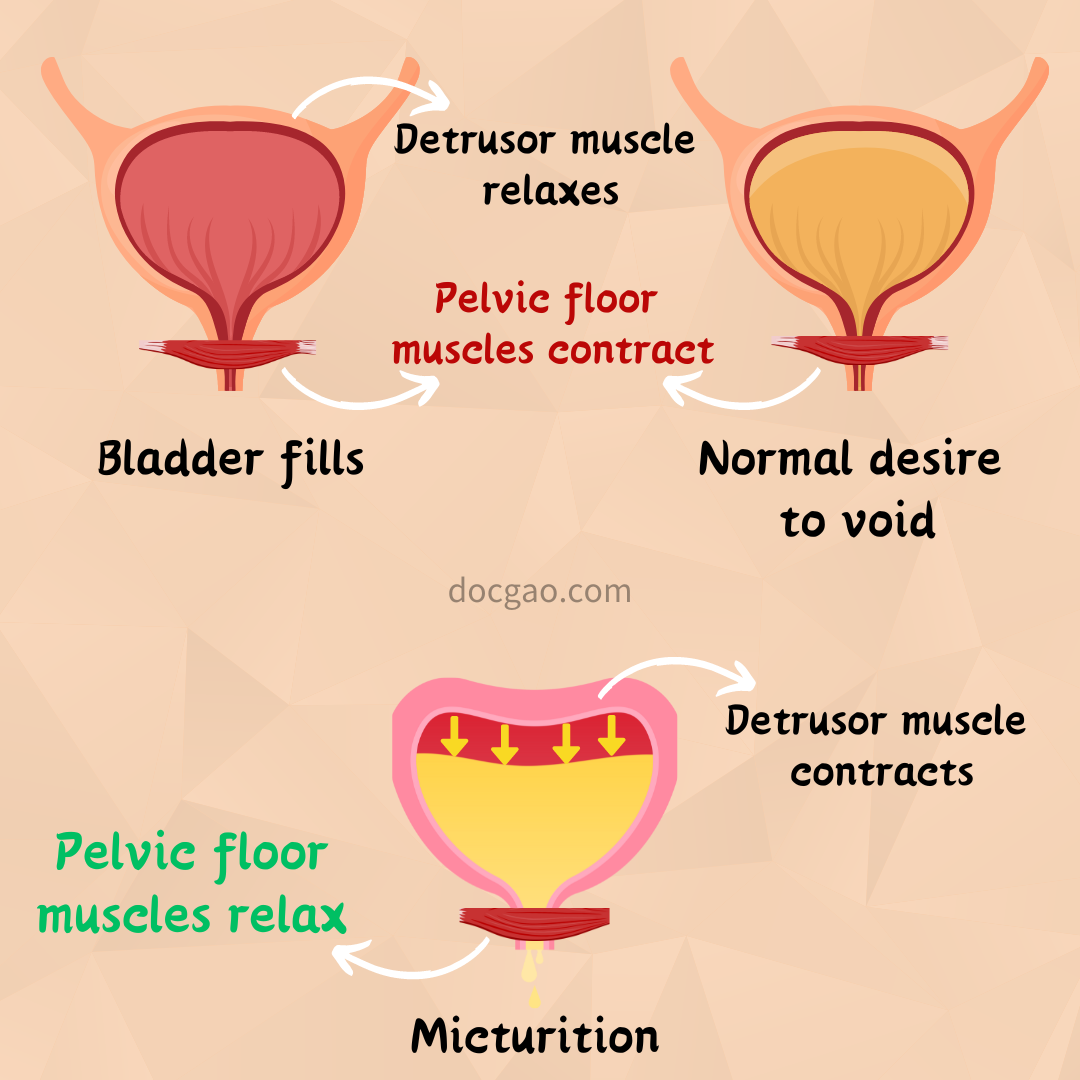
Why This Matters For Pelvic Floor Health?
Many people assume bladder symptoms originate solely from the bladder. In reality, bladder function depends upon the coordination of several systems:
The brain
The nervous system
The bladder
The pelvic floor muscles
Breathing mechanics
Abdominal pressure regulation
If one component becomes dysfunctional, symptoms may emerge elsewhere. This is why pelvic floor physical therapy looks beyond the bladder itself.
What Happens During A Pelvic Floor Assessment?
At DocGao, we evaluate factors that may be contributing to bladder symptoms, including:
Bladder Habits:How often you urinate, whether you delay voiding, and whether urgency behaviours have developed.
Function of Pelvic Floor Muscle:Some patients have weak muscles, others have muscles that are excessively tight and unable to relax appropriately.
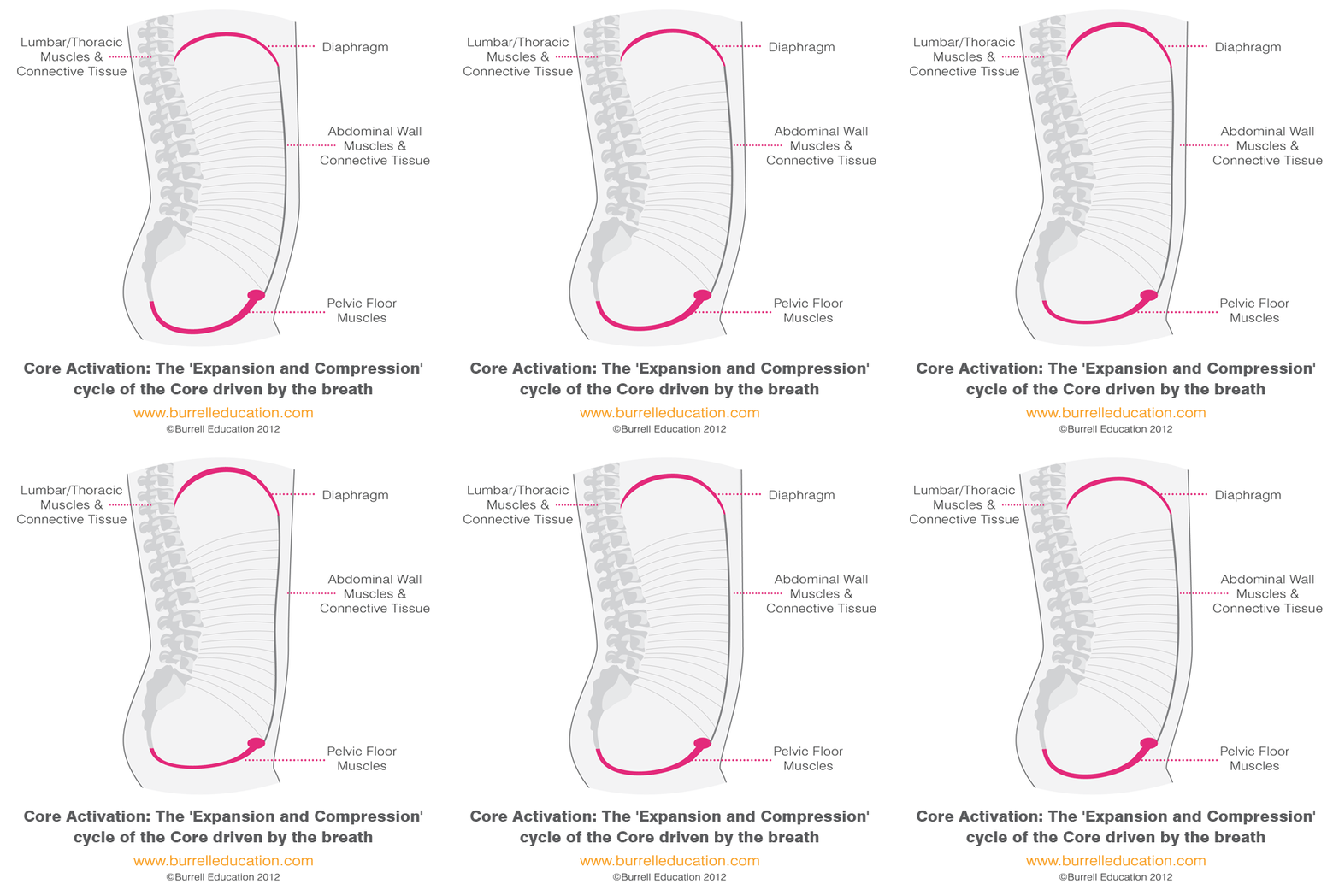
Breathing Patterns:The diaphragm and pelvic floor work as a team. Abnormal breathing patterns can influence pelvic floor tension and bladder control.
Pressure Management:Chronic straining, breath holding and excessive abdominal pressure can affect pelvic floor health.
Practical Tips For A Healthier Bladder
Avoid "just-in-case" toileting
Aim for normal voiding intervals:for most adults, urinating every 3–4 hours during waking hours is reasonable.
Don't ignore every urge
Sit Properly so your pelvic floor muscles can relax
Don't push: seek for medical advice if urine is not flowing easily
Final Thoughts
The most fascinating aspect of this study is that it highlights something many women have never considered:
Your bladder is constantly learning from your behaviour.
Every trip to the toilet provides information to your nervous system. Over months and years, these patterns shape how your bladder functions.
If you are experiencing urinary urgency, frequency, leakage or difficulty emptying your bladder, the solution may involve more than medication or absorbent pads.
If bladder symptoms are affecting your daily life, a comprehensive pelvic floor assessment may help identify the underlying factors and guide an evidence-based treatment plan.

参考文献 References
1. Berry A, Brady SS, Burgio KL, Cunningham SD, Gahagan S, James AS, Low LK, LaCoursiere DY, Lipman TH, McGwin G, Mueller MG, Palmer MH, Rodriguez-Ponciano DP, Smith AL, Sutcliffe S, Williams BR, Wyman JF, Newman DK. Associations Between U.S. Women's Toileting Behaviors and Lower Urinary Tract Symptoms: A Cross-Sectional Analysis of RISE for HEALTH Study Data. J Womens Health (Larchmt). 2025 May;34(5):653-664. doi: 10.1089/jwh.2024.0743. Epub 2025 Mar 3. PMID: 40029194; PMCID: PMC12491953.
免责声明:本文观点为作者个人意见,不应视作个人医疗建议。提供的信息旨在帮助读者做出自身健康的知情决策。
Disclaimer: This article reflects the author’s professional opinion and is not a substitute for personal medical advice. The information provided is intended to help readers make informed decisions about their health.