How Physical Therapy Can Help Reduce Lower Limb Lymphedema
What Is Lower Limb Lymphedema?
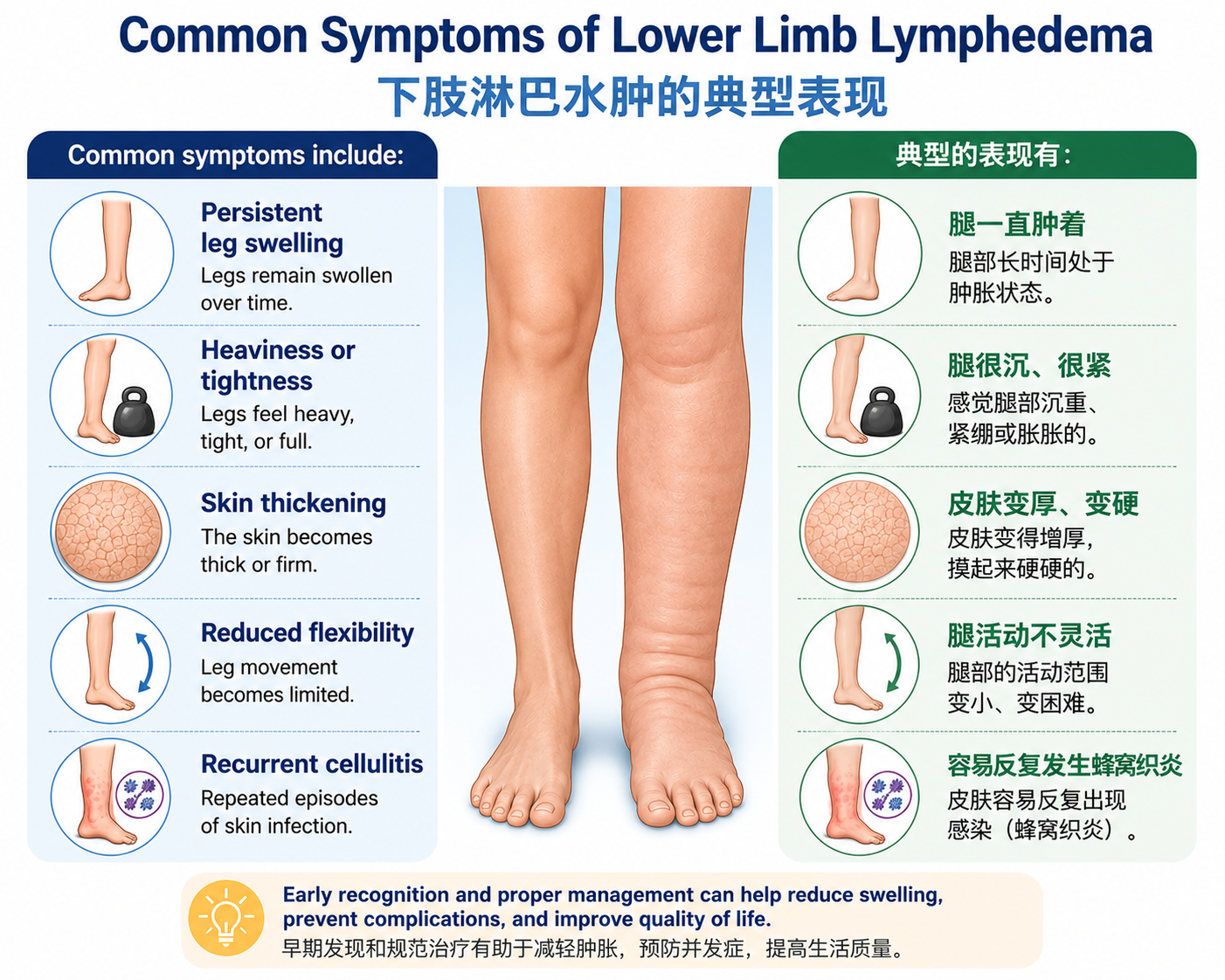
Lower limb lymphedema can be frustrating, uncomfortable, and emotionally exhausting. Many patients describe a heavy, swollen leg that limits walking, exercise, and even confidence in daily life. To put it shortly, lymphedema is a chronic condition caused by impaired lymphatic drainage, leading to accumulation of protein-rich fluid in the tissues. It may occur because of cancer surgery/radiation, trauma, infection, venous insufficiency, congenital lymphatic abnormalities and obesity.
As a physical therapist, I want my patients to know that lymphedema is manageable. While there is currently no permanent “cure,” evidence-based physical therapy can significantly reduce swelling, improve mobility, and restore quality of life.
Why Physical Therapy Matters?
The lymphatic system depends heavily on body movement and tissue mobility. Unlike the cardiovascular system, it does not have a central pump like the heart. Instead, lymph flow relies on:
Muscle contractions
Diaphragmatic breathing
Fascial gliding
Joint motion
Pressure gradients within the abdomen and thorax
When any of these mechanisms are restricted, lymphatic return becomes less efficient.
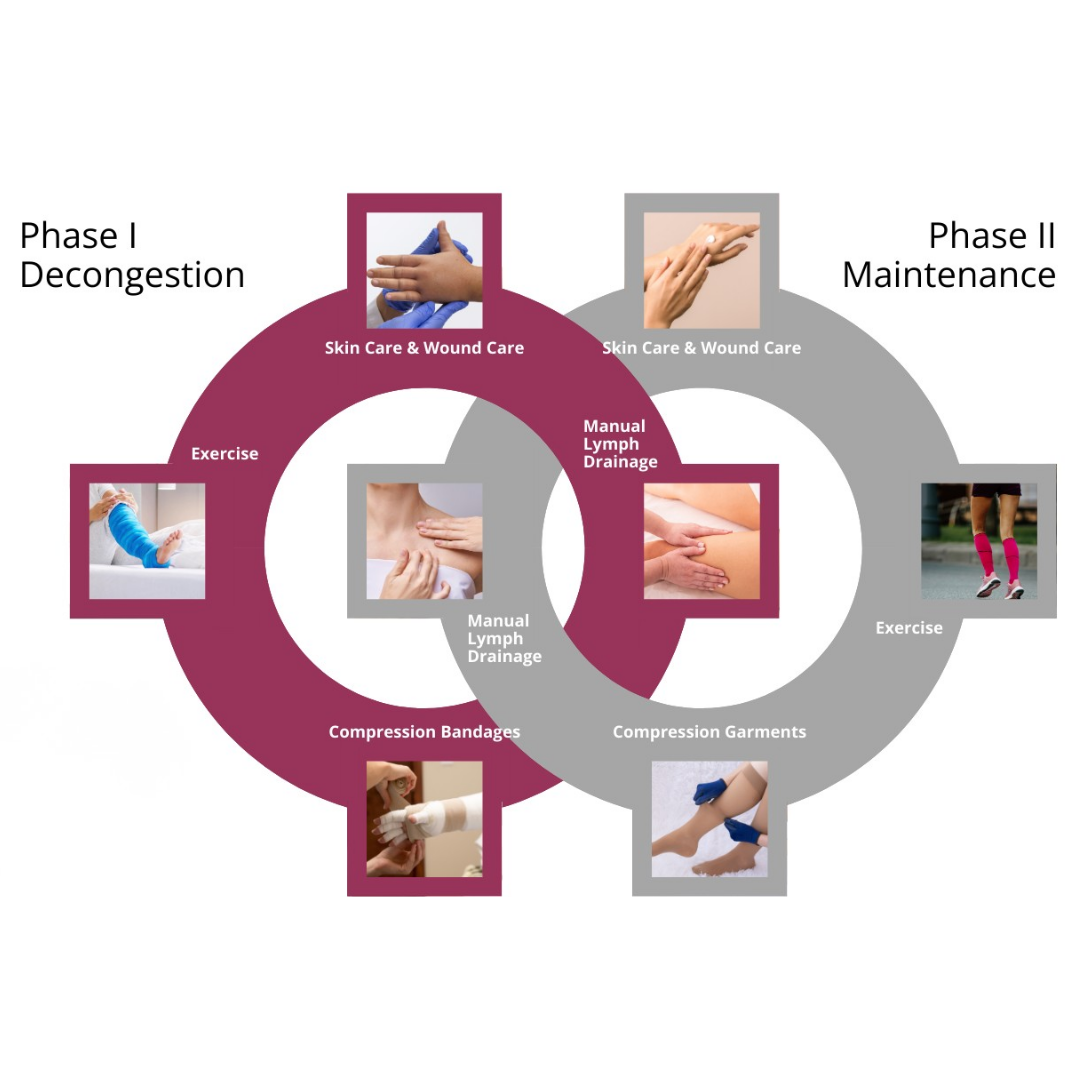
Photo from: https://lymphnet.org/education/lymphedema-therapy/
Complete Decongestive Therapy(CDT): The Gold Standard
The International Society of Lymphology recommends CDT as standard treatment for peripheral lymphedema.The key components of CDT are:
Compression bandaging or garments
Manual lymphatic drainage (MLD)
Therapeutic exercise
Skin care
Patient education
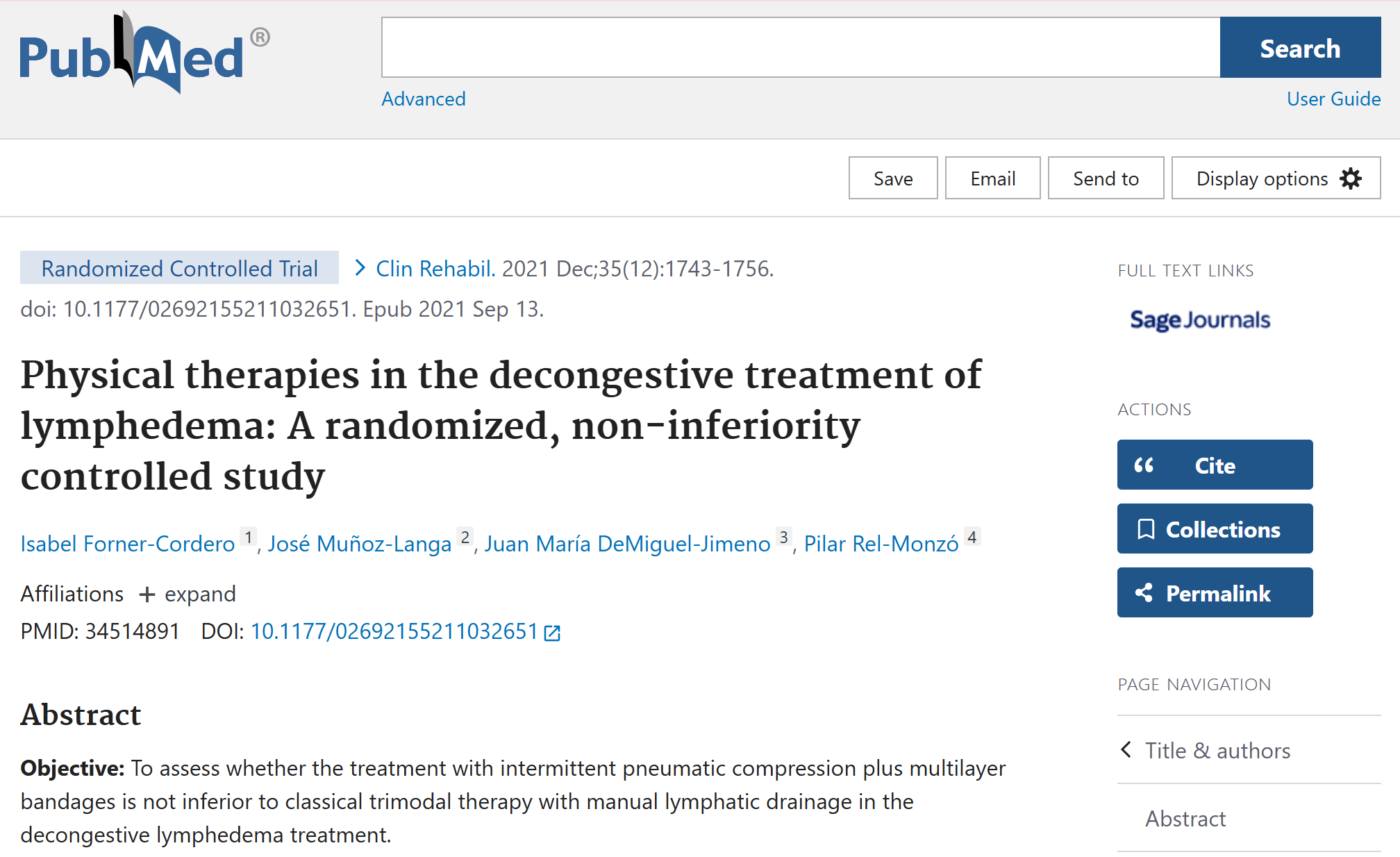
A randomized study involving 194 patients confirmed that several CDT-based approaches significantly reduced limb volume in stage II–III lymphedema [1].
1. Compression Therapy
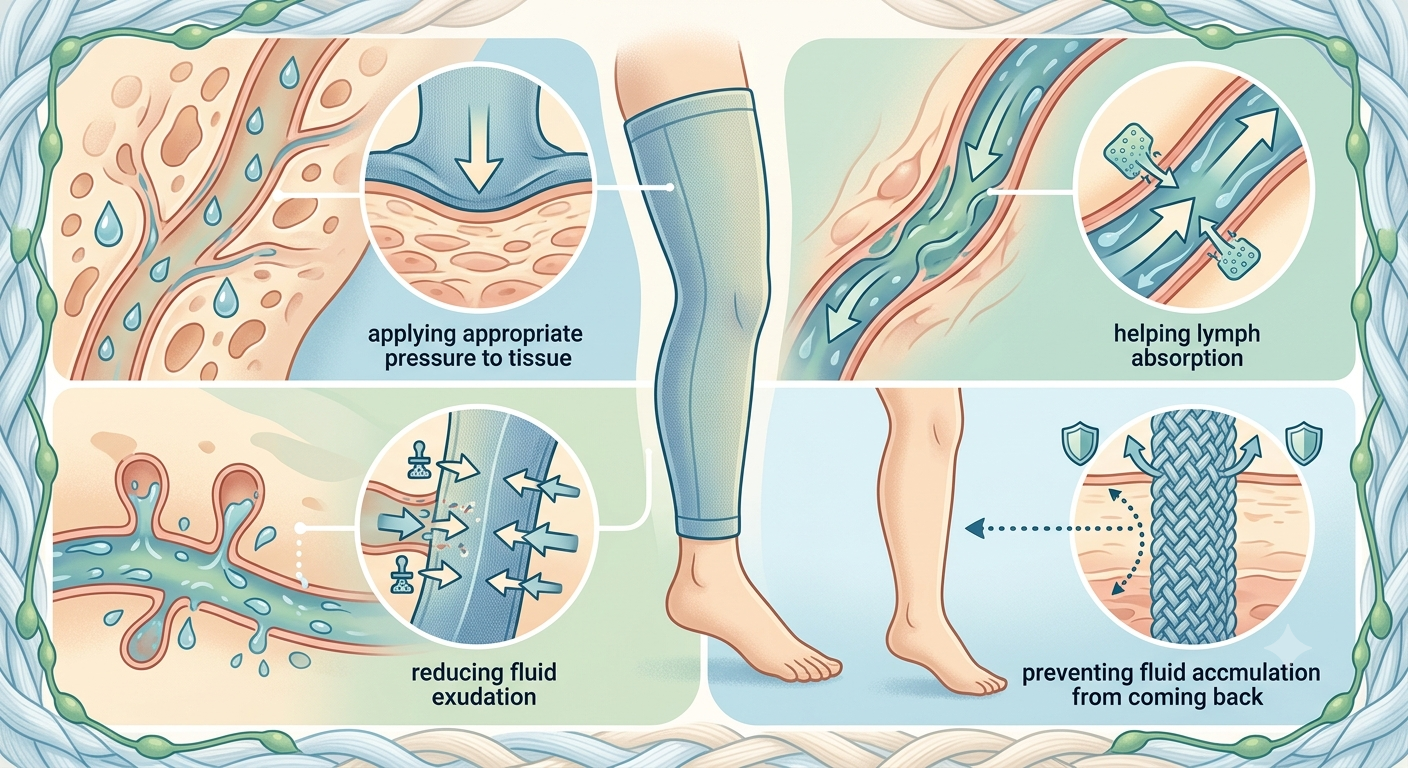
Compression remains the cornerstone of lymphedema management. With compression garments and multilayer bandaging:
Increase tissue pressure
Reduce ultrafiltration
Improve lymph uptake
Prevent re-accumulation of fluid
Without compression, improvements from manual therapy often do not last.
2. Therapeutic Exercise
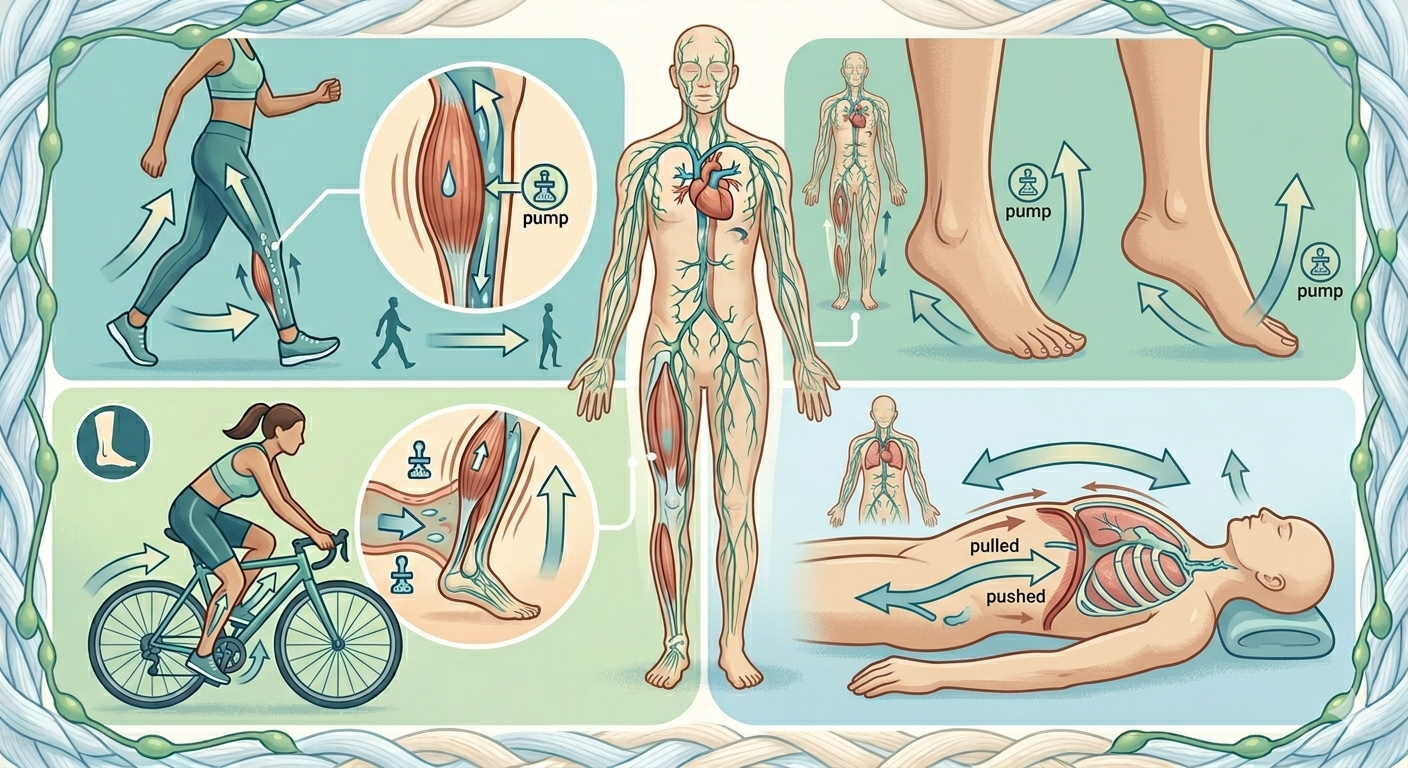
Exercise acts as a natural lymphatic pump. Here are some examples of effective exercises for lower limb lymphedema:
Walking
Cycling
Calf raises
Squats
Ankle pumps
Deep diaphragmatic breathing
Research consistently shows that supervised exercise is safe and beneficial for people with lymphedema [2].
3. Manual Lymphatic Drainage (MLD)
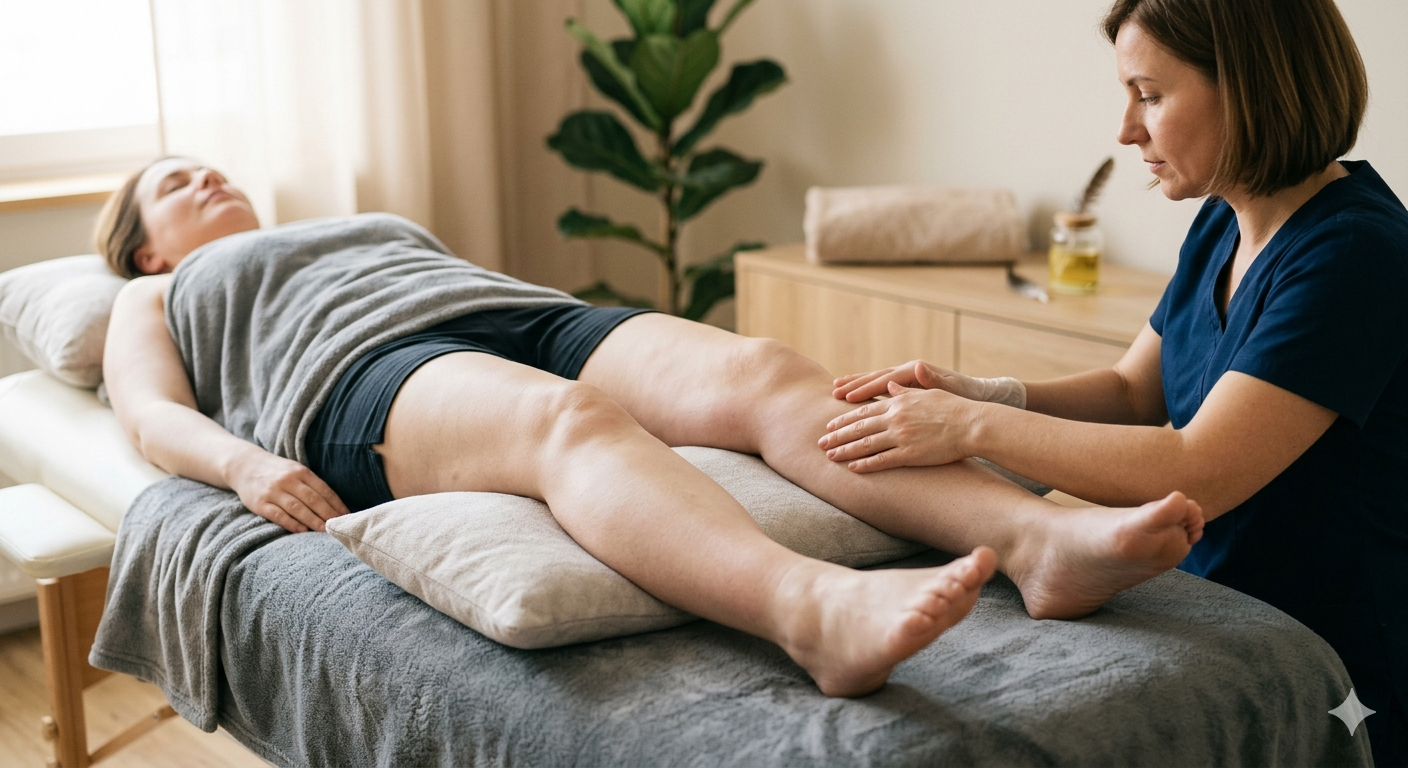
MLD is a gentle hands-on technique that stimulates superficial lymphatic vessels. Benefits include:
Reduced swelling
Less heaviness
Improved comfort
Better skin mobility
Recent randomized trials suggest that MLD may be most effective when combined with compression rather than used alone. But for patients who are unwilling or intolerant to compression bandaging, MLD can be selected [3,4].
4. Fascia and Scar Tissue Mobilization
Many patients with lower limb lymphedema also present with:
Abdominal scars
Caesarean section scars
Hysterectomy scars
Radiation fibrosis
Hip or pelvic surgery adhesions
These restrictions can alter lymphatic and venous return.
Manual therapy directed at improving fascial glide may help restore normal tissue mobility and improve drainage.
What a Treatment Session May Include?
A comprehensive physiotherapy session may involve:
Breathing assessment
Abdominal scar mobilization
AVFM (Abdominal Visceral Fascial Mobilization)
Manual lymphatic drainage
Compression application
Therapeutic exercise
Home program instruction
Home Strategies to Support Lymphatic Flow
Patients are often encouraged to:
Walk daily
Elevate the legs
Wear prescribed compression
Practice diaphragmatic breathing
Maintain skin care
Manage body weight
Avoid prolonged sitting
Realistic Expectations
Lymphedema management is a long-term process. Most patients experience positive results with dedicated care, for example reduced heaviness, better walking tolerance, less tightness and improved limb contour.
Since consistency is more important than any single treatment, physical therapy plays a central role in managing lower limb lymphedema. If you are currently struggling with it, talk to a physical therapist to get help for building an effective, personalized treatment plan.
参考文献 References
1. Forner-Cordero I, Muñoz-Langa J, DeMiguel-Jimeno JM, Rel-Monzó P. Physical therapies in the decongestive treatment of lymphedema: A randomized, non-inferiority controlled study. Clin Rehabil. 2021 Dec;35(12):1743-1756. doi: 10.1177/02692155211032651. Epub 2021 Sep 13. PMID: 34514891.
2. Hu M, Yang L, Han J, Zhu W, Yang S, Wang X, Chen X. Three-Month Functional Exercise Reduces Upper Limb Lymphedema After Breast Cancer Surgery: A Prospective Randomized Controlled Trial. Tohoku J Exp Med. 2025 Dec 11. doi: 10.1620/tjem.2025.J141. Epub ahead of print. PMID: 41371689.
3. Liu Y, Zhao X, Song J, Zhao W, Ge Y, Guan J. The Effect of Manual Lymph Drainage and Compression Bandaging for Stage 2 Breast Cancer-Related Lymphedema: A Randomized Controlled Trial. Lymphat Res Biol. 2023 Oct;21(5):479-484. doi: 10.1089/lrb.2022.0074. Epub 2023 May 4. PMID: 37140566.
4. Andersen L, Højris I, Erlandsen M, Andersen J. Treatment of breast-cancer-related lymphedema with or without manual lymphatic drainage--a randomized study. Acta Oncol. 2000;39(3):399-405. doi: 10.1080/028418600750013186. PMID: 10987238.
免责声明:本文观点为作者个人意见,不应视作个人医疗建议。提供的信息旨在帮助读者做出自身健康的知情决策。
Disclaimer: This article reflects the author’s professional opinion and is not a substitute for personal medical advice. The information provided is intended to help readers make informed decisions about their health.